
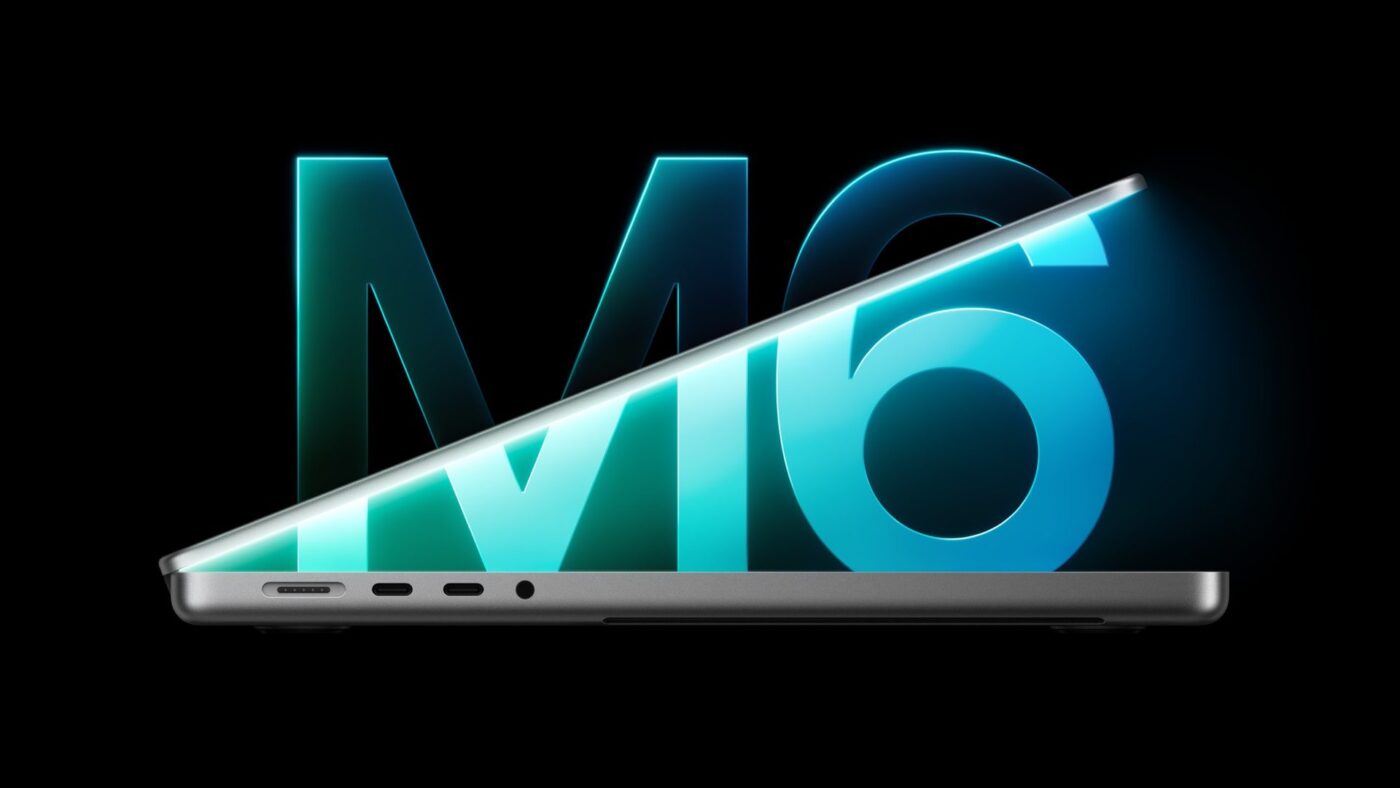
Laptop battery life claims have become a numbers game, and this week shows why you should not take any of them at face value. Apple says its new MacBook Pro M6 lasts up to 24 hours. Asus says its Zenbook 14 (2026) series, launching in India on 5 November, lasts up to 33 hours. Both numbers are real, in the sense that both companies measured them. Neither number is what you will get on a normal working day. Here is what laptop battery life claims actually measure, and the five checks that predict your real unplugged time.
What a laptop battery life claim actually measures
Almost every headline battery claim comes from a video-playback test: a laptop looping a video at moderate brightness, with Wi-Fi on or off depending on the brand, doing nothing else. It is the gentlest possible workload — no video calls, no compiling, no fifty browser tabs, no screen at full brightness in a sunny room. Apple’s 24-hour figure for the MacBook Pro M6 is a video-streaming figure; its wireless-web figure for the same machine is 16 hours, a gap of eight hours for simply doing something more realistic. Asus has not published the test conditions behind its 33-hour claim for the Zenbook 14 at all, which is itself information: an unqualified number with no stated test is a marketing number, not a measurement you can compare. The first rule of reading laptop battery life claims is therefore simple — find the test, or discount the number.
Why the same laptop lasts different lengths for different people
Battery life is capacity divided by consumption, and consumption varies wildly. The screen is usually the biggest drain: a bright, high-resolution, high-refresh-rate display at full brightness can cut hours off a claim made at 150 nits. The chip is second: a powerful processor doing AI work, video rendering or gaming drinks far more than the same chip idling through documents, which is why the Zenbook 14’s three processor options — Snapdragon X, AMD Ryzen AI 7 345 and up to Intel Core Ultra 9 Series 3 — will not all deliver the same battery life even in the same body. Connectivity is third: weak Wi-Fi makes a laptop work harder to stay connected, and a day of video calls is nothing like a day of offline writing. That is why two owners of the identical laptop can honestly report battery lives hours apart, and why a phone-style lesson applies here too — a bigger battery does not automatically mean better battery life, because what drains it matters as much as its size.
Charging speed is the other half of the story
A laptop that lasts 20 hours but takes four hours to refill is less convenient than one that lasts 14 hours and refills in one. Check three things: the wattage of the adapter in the box, whether fast charging needs a different adapter (as with the MacBook Pro M6, where the fastest charging needs a higher-wattage adapter than the one supplied), and whether the laptop charges over USB-C, which lets you top up from a phone charger or power bank in a pinch. The Karbonn Rebel 5G launching today is a phone, not a laptop, but it makes the same point at the other end of the market: a 7,000mAh battery charging at 18W is an overnight proposition, not a quick top-up — the Rebel series launches on 2 November with its price still unannounced, and its slow charging is part of the value calculation, not a footnote.
Five checks before you trust a battery claim
One, find the test: video playback, web browsing or a mixed-use benchmark, and at what brightness. Two, compare like with like: a video-playback figure against another video-playback figure, never against a web-browsing figure. Three, check the screen: resolution, refresh rate and brightness all eat battery, and a 3K OLED at 120Hz will not match an FHD panel. Four, check the chip option: in a range like the Zenbook 14, the efficient Snapdragon model and the top Intel model are different battery stories. Five, check charging: adapter wattage, USB-C support and whether fast charging costs extra. If a brand will not tell you the test, treat its number as an upper bound and knock a third off for real work — that rough rule gets you closer to reality than any headline figure.
The bottom line on laptop battery life claims
Apple’s 24 hours and Asus’s 33 hours are not lies; they are laboratory best cases, and the gap between them says less about the laptops than about the tests. Buy the battery life you need for your actual day — video calls, brightness, tabs and all — and judge a laptop by its chip, screen and charging as much as by its headline hours. And remember the price lesson that runs through all of this: the launch price is not the street price, and the headline battery number is not the battery life. See our MacBook Pro M6 first impressions and the MacBook Pro 14-inch (M6) product page for the machine behind this week’s biggest claim.
Sources
Apple Newsroom (India), “Apple introduces the new 14-inch MacBook Pro with M6”, 27 October 2026: https://www.apple.com/in/newsroom/2026/10/apple-introduces-the-new-14-inch-macbook-pro-with-m6/
Last updated: 2 November 2026
